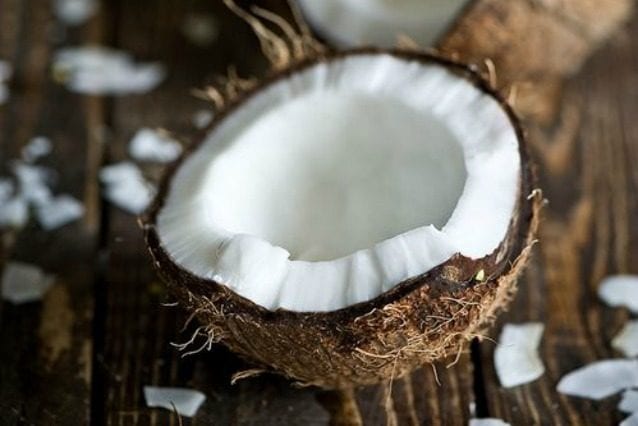
Don't Fear the Coconut: How to Open It Easily and Safely
The allure of a fresh coconut is undeniable: the sweet, refreshing water, the tender, nutritious meat, and the promise of tropical flavors right in your kitchen. Yet, for many, the seemingly impenetrable shell presents a formidable barrier, leading to intimidation and often, a trip to the pre-packaged aisle. But what if we told you that unlocking this tropical treasure is not only achievable but also surprisingly straightforward?
Fear not the coconut! While tales of extreme force and potential injury might have circulated, the truth is that with the right tools, a few simple steps, and a dash of confidence, you can master how to open a coconut easily and safely. The reward? A taste and nutritional experience far superior to anything store-bought, enriching your smoothies, desserts, and even savory dishes with unparalleled freshness.
Why Fresh Coconut is Truly Worth the Effort
You might wonder, in an age of convenient coconut products, why bother with a whole, hard-shelled coconut? The answer, unequivocally, lies in the taste and the vibrant health benefits. Fresh coconut offers a distinctly crisp, sweet, and nuanced flavor that simply can't be replicated by dried, shredded, or canned versions. It's the difference between biting into a garden-fresh tomato and one from a can – an entirely different sensory experience.
Beyond the superior flavor, fresh coconuts are packed with an impressive array of nutrients. They are a fantastic source of healthy medium-chain triglycerides (MCTs), which are easily metabolized by the body for energy. Furthermore, coconuts boast significant antioxidant properties, helping to combat oxidative stress in the body. Their antibacterial and antiviral effects contribute to overall wellness, making them a powerful addition to your diet.
The health benefits extend further: studies suggest that regular consumption of coconut can assist in managing blood sugar levels, supporting healthy weight management, and even improving heart health by boosting good cholesterol. Incorporating fresh coconut meat and water into your diet can truly unlock a world of nutritious delights. From topping your morning yogurt bowls and blending into rejuvenating smoothies to adding a unique texture and flavor to curries and baked goods, the culinary possibilities are endless once you've mastered the art of opening it.
Gather Your Tools and Select the Perfect Coconut
Before you embark on your coconut-opening adventure, ensure you have the right arsenal of tools at your disposal. Preparation is key to a smooth, safe, and successful process.
Essential Tools:
- Screwdriver (flathead) or Sturdy Nail/Corkscrew: For piercing the "eyes." A strong, thin metal implement is ideal.
- Mallet or Hammer: To gently tap the screwdriver/nail and later, to crack the coconut shell. Choose one with a good grip.
- Sturdy Bowl or Mason Jar: To collect the refreshing coconut water.
- Paring Knife or Butter Knife: For separating the meat from the shell. A duller knife can be safer here.
- Vegetable Peeler (Optional): To remove the thin brown skin from the coconut meat, if desired.
- Clean Kitchen Towel: Provides a secure grip, absorbs any spills, and offers an extra layer of protection for your hands and countertop.
- Oven Mitts (if using oven/microwave): Essential for handling a heated coconut.
Choosing a Ripe Coconut:
Selecting the right coconut is the first step to success. While green coconuts are typically harvested for their abundant, young water, brown coconuts are mature and contain both water and a generous amount of firm, white meat. When choosing a brown coconut:
- Weight: Pick one that feels heavy for its size, indicating it's full of water and meat.
- Sound: Shake the coconut gently. You should hear liquid sloshing around inside. If it sounds silent, it might be dried out or even spoiled.
- "Eyes": Examine the three "eyes" (small indentations) at one end of the coconut. These are the weakest points of the shell. They should be relatively soft, dry, and free of mold or dark spots. Pressing your thumb against them can help gauge their softness.
- Appearance: Look for a coconut free of cracks, leaks, or any signs of mildew. A healthy coconut will have a uniform brown color.
Your Step-by-Step Guide to Opening a Coconut Safely
Now for the main event! Follow these steps closely, and you'll be enjoying fresh coconut in no time.
Step 1: Drain the Liquid Gold
- Locate the Eyes: Hold the coconut firmly. You'll notice three circular indentations, often darker than the rest of the shell. One of these "eyes" is typically softer than the others.
- Pierce an Eye: Place the coconut on a stable surface, perhaps on a folded kitchen towel for extra stability. Position the tip of your screwdriver or sturdy nail directly over the softest eye. Gently but firmly tap the back of the screwdriver with your mallet or hammer until it punctures the shell. You'll feel it break through.
- Drain the Water: Invert the coconut over your sturdy glass or mason jar. Allow all the refreshing coconut water to drain out completely. This can take a few minutes. Store the collected water in the refrigerator immediately.
Step 2: Prepare for Cracking with Heat
This is a game-changer! Heating the coconut causes the shell to expand slightly and the meat to retract from the shell, making separation much easier. It often creates hairline cracks, guiding your next steps.
- Microwave Method: Place the drained coconut in a microwave for 30-60 seconds. This quick burst of heat often does the trick.
- Oven Method: For a more thorough heating, place the drained coconut directly on an oven rack in a preheated oven at 375°F (190°C) for 10-15 minutes. Listen for a distinct "pop" or watch for a visible crack to appear on the shell.
- Handle with Care: Always use oven mitts when removing the coconut, as it will be very hot.
Step 3: The Crack – A Gentle Art
With the coconut drained and warmed, it's time to crack it open. Remember, this isn't about brute force, but controlled, consistent tapping.
- Secure the Coconut: Wrap the hot coconut securely in a clean kitchen towel. This provides a better grip, protects your hands, and contains any potential flying shards (though rare with this method).
- Find the "Equator": Identify the natural "equator" or middle line of the coconut, which runs horizontally around its widest part.
- Tap and Rotate: Holding the wrapped coconut firmly in one hand, use your hammer or mallet to tap firmly but gently along this imaginary equator line. After each tap, rotate the coconut slightly (about an inch or two) and tap again. Continue this process, turning and tapping along the same line, until a crack forms and the coconut splits into two or more pieces. The heat from Step 2 should make this surprisingly easy.
- Expert Tip: Aim for consistency over power. Several moderate taps are more effective than one huge whack.
Step 4: Separate the Meat from the Shell
Now that your coconut is open, you'll see the pristine white meat clinging to the inner shell. The heat treatment should make this part considerably less challenging.
- Loosen the Meat: Take one half of the coconut. Using a butter knife or a dull paring knife, carefully slide it between the white coconut meat and the inner shell. Angle the knife slightly towards the shell, not the meat, to avoid cutting into the edible portion.
- Wiggle and Pry: Gently wiggle and pry the knife around the edges of the meat. You'll feel it start to loosen. Work your way around the circumference until the entire piece of meat pops out.
- Repeat: Continue this process for all the pieces of coconut shell until all the meat is extracted.
Step 5: Peel and Prepare the Coconut Meat
The extracted coconut meat will likely have a thin, fibrous brown skin (part of the husk) attached to one side. While edible, many prefer to remove it for aesthetic reasons and a smoother texture.
- Peel the Skin: Place the coconut meat on a cutting board. Use a vegetable peeler or a small paring knife to carefully peel away the thin brown skin.
- Ready for Use: Once peeled, your fresh coconut meat is ready to be grated, shredded, diced, or enjoyed in chunks. You can use a box grater, a food processor with a grating attachment, or simply chop it with a knife, depending on your recipe's needs.
Storing Your Fresh Coconut Bounty
Once you've done the work, you'll want to preserve your fresh coconut to enjoy for as long as possible.
- Coconut Water: Store the drained coconut water in an airtight container (like a mason jar) in the refrigerator for up to 2-3 days.
- Coconut Meat:
- Refrigeration: Place the peeled, chunked, or shredded coconut meat in an airtight food storage container and refrigerate for up to 5-7 days.
- Freezing: For longer storage, spread shredded or chunked coconut meat on a baking sheet and freeze until solid. Then, transfer the frozen pieces to a freezer-safe bag or airtight container. It can be stored in the freezer for up to 6 months, or even longer, though quality may slightly diminish after a year. Always label with the date.
Safety First: Tips for a Smooth Experience
While opening a coconut isn't as dangerous as it might seem, a few precautions ensure a smooth and injury-free process:
- Stable Surface: Always work on a sturdy, non-slip surface, like a cutting board placed on a damp towel.
- Protect Your Hands: Using a kitchen towel or even thin gloves can provide extra grip and protection when tapping.
- Appropriate Tools: Stick to the recommended tools. Avoid using sharp chef's knives for cracking the shell, as they can slip and cause serious injury.
- Mind Your Surroundings: Be aware of your tapping area and ensure no one else is too close, especially children, when cracking the coconut.
- Gentle Pressure: Remember, the goal is controlled force, not brute strength. Let the heat do most of the hard work.
Conquering the coconut shell is a rewarding culinary accomplishment that opens up a world of fresh flavors and health benefits. By following these simple, detailed steps, you'll find that the process is far less daunting than you might have imagined. So, next time you spot a beautiful brown coconut at the market, don't walk past it. Grab it, bring it home, and unleash its tropical goodness with confidence. Your taste buds and your body will thank you!
