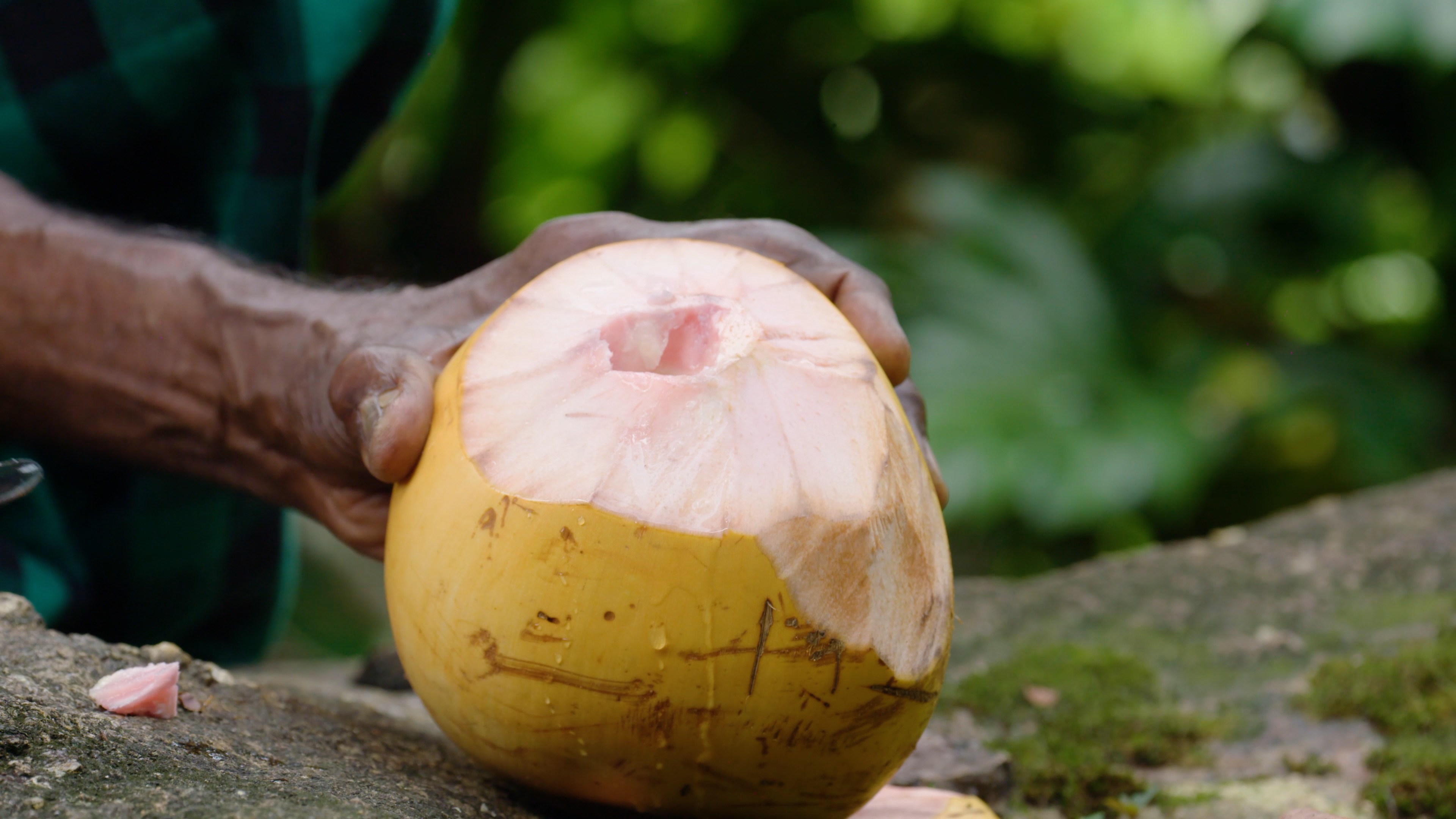
Crack Open a Coconut: An Easy 6-Step Guide for Fresh Flavor
The thought of enjoying fresh coconut often conjures images of white sandy beaches and exotic tropical flavors. Yet, for many, the seemingly impenetrable shell of a whole coconut remains a culinary mystery, an intimidating barrier to its sweet, refreshing interior. You might have seen someone attempting to crack one open with brute force, leading to a messy and potentially dangerous situation. But don't let those scenes deter you! Opening a fresh coconut doesn't require a machete or superhuman strength. With a few simple tools and a clear, step-by-step approach, you can easily unlock this tropical treasure and enjoy its incredible taste and nutritional benefits.
Beyond the delightful flavor, fresh coconuts are a powerhouse of essential nutrients. They are rich in antioxidants, which help combat free radicals in the body, and contain healthy medium-chain triglycerides (MCTs) that provide a quick source of energy and support metabolic health. The natural compounds in coconut also boast antibacterial and antiviral properties. Regular consumption has been linked to potential benefits like managing blood sugar levels, aiding in weight management, and improving heart health. From creamy curries to vibrant smoothies and nourishing yogurt bowls, the versatility of fresh coconut meat and water is endless.
This comprehensive guide will demystify the process of how to open a coconut, transforming what seems like a daunting task into an easy, rewarding experience. By following our six straightforward steps, you'll soon be enjoying the unparalleled taste of truly fresh coconut.
The Allure of Fresh Coconut: Why Bother?
In a world where pre-shredded coconut flakes and canned coconut milk are readily available, you might wonder why you should go through the "trouble" of opening a fresh coconut. The answer is simple and profound: taste and unparalleled freshness. The moment you crack open a fresh coconut, the delicate, sweet aroma fills the air, a precursor to the pure, vibrant flavor that store-bought alternatives simply cannot replicate. Fresh coconut meat has a unique texture – tender, slightly chewy, and bursting with a natural sweetness that elevates any dish.
The difference in taste is significant, offering a far more authentic and nuanced tropical experience. Beyond the culinary delight, there's a satisfying sense of accomplishment in preparing your ingredients from scratch. Plus, you have complete control over what you're consuming, free from preservatives or additives sometimes found in processed versions. Integrating fresh coconut into your diet is a fantastic way to boost your intake of healthy fats, fiber, and micronutrients, contributing to overall well-being. For a deeper dive into the health advantages, explore Unlock Fresh Coconut's Benefits: Easy Steps for Nutritious Delights.
Gather Your Arsenal: Essential Tools & Pre-Opening Checks
Before you embark on your coconut-opening adventure, gather a few essential items. Having everything within reach will make the process smoother and safer. You'll need:
- A sturdy screwdriver or a clean nail: For puncturing the "eyes."
- A meat tenderizing mallet or a hammer: To gently tap the screwdriver and crack the shell.
- A sharp paring knife or a butter knife: For separating the meat.
- A vegetable peeler: To get to the pristine white meat.
- A medium-sized bowl or mason jar: For collecting the coconut water.
- A stable cutting board and a kitchen towel: For safety and stability.
- Oven or Microwave: To facilitate cracking.
Checking for Ripeness: The "Eyes" Have It
The first crucial step is to ensure your coconut is ripe and ready for consumption. At the top of the coconut, you'll notice three small, circular indentations, often referred to as "eyes." These are naturally softer spots on the shell. Gently press your thumb against each eye. A ripe coconut will have at least one eye that feels noticeably softer and drier than the others. Avoid coconuts that show signs of mold, significant cracks, or feel unusually light, as these may indicate spoilage. A good coconut will feel heavy for its size and, if you shake it, you should hear the water sloshing inside.
Your 6-Step Journey to Fresh Coconut Bliss
With your tools ready and your coconut confirmed ripe, it's time to learn how to open a coconut with confidence.
Step 1: Puncture the "Eyes" and Release the Water
Place your coconut securely on a stable surface, ideally on a kitchen towel to prevent it from rolling. Locate the three "eyes." Identify the softest one – this will be your entry point. Take your sturdy screwdriver (or nail) and position it over the softest eye. Using your mallet or hammer, gently but firmly tap the end of the screwdriver until it punctures through the shell. You should feel it give way. Create a small hole, wide enough for the water to drain. If needed, you can puncture a second eye to allow air to enter and facilitate drainage.
Step 2: Drain the Coconut Water
Once you've created a hole, hold the coconut over a mason jar or bowl with the hole facing downwards. Allow the coconut water to drain completely. This can take a few minutes. Fresh coconut water is a natural electrolyte-rich drink – a refreshing bonus! You can sip it as is or save it for smoothies and other recipes. Store any leftover coconut water in an airtight container in the refrigerator for up to two days. Straining the water through a fine-mesh sieve is a good idea to catch any small shell fragments.
Step 3: Prepare for the Crack – The Heat Treatment
Heat is your secret weapon when learning how to open a coconut. It causes the shell to expand slightly, making it more brittle and easier to crack cleanly. There are two effective methods for this:
- Microwave Method: Place the drained coconut in the microwave for approximately 30-45 seconds.
- Oven Method: Preheat your oven to 375°F (190°C). Place the coconut directly on an oven rack for about 10-15 minutes, or until you start to see a hairline crack appear on the shell.
Always use oven mitts or a thick towel when handling the hot coconut.
Step 4: The Art of Cracking – Finding the Sweet Spot
Once the coconut has been heated, it's ready to be cracked open. Hold the hot coconut securely in one hand (using a towel or mitt) or place it on a stable cutting board. Identify the "equator" line, which runs around the middle of the coconut, roughly where its widest circumference is. Using your hammer or mallet, strike the coconut firmly but with control along this imaginary equator line. Rotate the coconut slightly after each tap, continuing to strike around the middle. You'll soon notice the existing crack widening, or new cracks forming, until the coconut splits cleanly into two halves. Persistence and consistent taps are key here.
Step 5: Separate the Meat from the Shell
Now that your coconut is split open, you'll see the pristine white meat clinging to the inside of the hard shell. This step requires a bit of finesse. Take a sturdy butter knife or a paring knife (be careful!). Wedge the knife between the white coconut meat and the dark brown shell. Gently twist and pry the meat away from the shell. For firmer meat, you might need to run the knife along the entire circumference of each half before prying. For softer meat, a strong spoon can sometimes do the trick. Work your way around the edges, and the meat should gradually release in larger chunks.
Step 6: Prepare & Store Your Fresh Coconut Treasure
After separating the meat from the shell, you'll notice a thin, brownish skin on the back of the white coconut meat. While edible, many prefer to remove it for a cleaner taste and appearance. A standard vegetable peeler works wonders for this. Simply peel away the brown skin to reveal the pure white coconut meat beneath. Now your fresh coconut is ready to be enjoyed!
Storage Tips:
- Refrigerator: Store fresh coconut meat in an airtight container in the refrigerator for up to 5 days.
- Freezer: For longer storage, you can freeze coconut meat for up to 6 months. Shred or chop it into desired pieces before freezing in an airtight bag or container. This is perfect for future smoothies, curries, or desserts.
Beyond the Crack: Tips for Success & Culinary Delights
Learning how to open a coconut safely is paramount. Always work on a stable surface, ensure your hands are dry for a firm grip, and always direct any cutting or striking motions away from your body. If the coconut doesn't crack easily after heating, don't despair! Re-heat it for a few more minutes and try again. Sometimes, a stubborn coconut just needs a bit more encouragement.
Once you've mastered the art of opening a coconut, a world of culinary possibilities awaits. Use the fresh meat in:
- Tropical fruit salads or as a garnish for desserts.
- Homemade coconut milk or cream.
- Curries, stir-fries, and other savory dishes.
- Smoothies, smoothie bowls, and acai bowls.
- Raw energy bites or homemade granola.
Don't be afraid to experiment! The fresh, vibrant flavor of homemade coconut will elevate any recipe. If you're still feeling a little apprehensive, remember that Don't Fear the Coconut: How to Open It Easily and Safely offers additional encouragement and practical advice.
Cracking open a fresh coconut is a rewarding experience that connects you directly to nature's bounty. While it might seem daunting at first, with the right approach and a little patience, you'll quickly become a pro. Embrace the journey, savor the incredible taste, and enjoy the numerous health benefits that this versatile tropical fruit brings to your table. Happy cracking!
